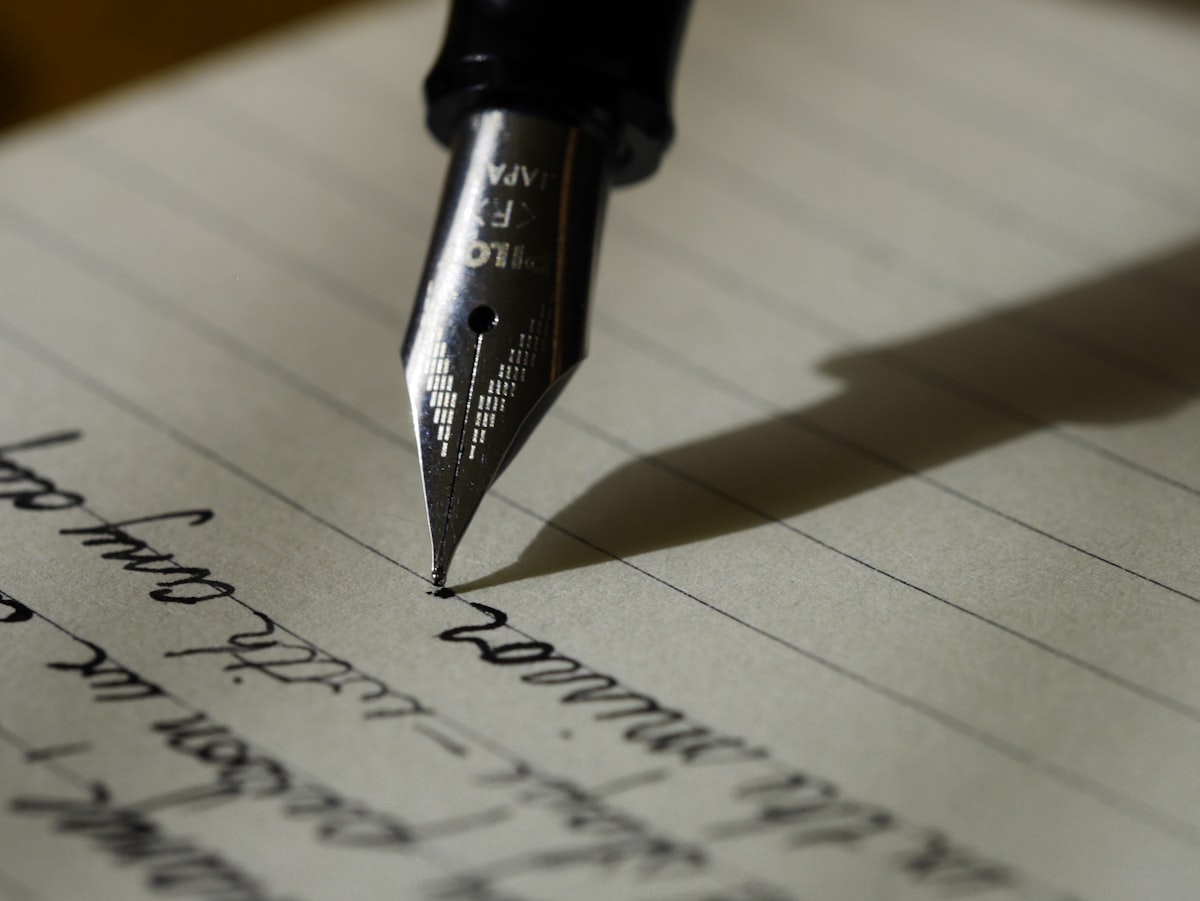
What's the best calligraphy set for left-handers? Look for a kit with a left-oblique nib holder, flexible pointed nibs, and fast-drying ink.
These three components solve the main lefty calligraphy problems: wrong letter angle, ink smearing, and nib catching. With proper left-handed tools, lefties produce calligraphy equal to right-handed work.
Calligraphy has experienced a major resurgence in recent years, driven by interest in hand lettering, wedding invitations, journaling, and creative hobbies. Left-handed people are sometimes told that calligraphy is not for them, but that advice is flatly wrong. Thousands of left-handed calligraphers produce stunning work every day. The secret is understanding how left-handed writing mechanics differ and selecting tools that work with your hand rather than against it.
Why left-handed calligraphy requires different tools
Calligraphy depends on varying the pressure on a flexible nib to create thick and thin strokes. Right-handed calligraphers pull the nib downward on thick strokes, which works naturally with standard nibs and ink flow. Left-handed calligraphers, depending on their hand position, may push the nib or approach strokes from a different angle.
Standard calligraphy nibs can catch on paper fibers when pushed, causing splatters and inconsistent lines. Standard oblique pen holders are angled for right-handed wrists. Standard ink may smear under the left hand as it follows the pen across the page, the same challenge lefties face with everyday writing pens.
The good news is that each of these problems has a proven solution.
Essential components of a left-handed calligraphy set
Left-oblique pen holders
An oblique pen holder has a flange (a small metal arm) that extends from the barrel and holds the nib at an angle. This angle compensates for the natural wrist position and helps the writer achieve the correct letter slant without contorting their hand.
A left-oblique pen holder angles the nib in the opposite direction from a right-oblique holder. This is the single most important tool for left-handed pointed-pen calligraphy. The flange positions the nib so that the tines align with the left-handed stroke direction, allowing smooth ink flow and consistent thick-to-thin transitions.
Quality left-oblique holders are available from specialty calligraphy suppliers. Look for holders with adjustable flanges that can accommodate different nib sizes. Turned wood or acrylic holders in a comfortable diameter (roughly 10 to 12mm) reduce hand fatigue during long practice sessions.
Nibs for left-handed calligraphers
Nib selection depends on the style of calligraphy you want to practice.
For pointed-pen calligraphy (Copperplate, Spencerian, modern calligraphy):
- Flexible nibs with moderate give are best for beginners. Extremely flexible nibs require more control and can be harder for lefties to manage initially.
- The Nikko G is widely recommended as a starter nib. It is durable, forgiving, and produces clean lines with moderate pressure.
- The Zebra G offers more flexibility for expressive thick-thin contrast once you have developed control.
- The Brause Steno (Blue Pumpkin) is a semi-flexible nib that many left-handed calligraphers favor for its smooth, snag-free performance.
For broad-edge calligraphy (Italic, Uncial, Blackletter, Gothic):
- Left-cut or left-oblique broad nibs have the edge ground at an angle that matches the left-handed pen angle. This allows you to create proper thick and thin strokes without twisting your wrist.
- Pilot Parallel pens are an excellent and affordable option for broad-edge practice. They produce crisp lines and are available in multiple widths. While not specifically left-handed, their cartridge-based ink system reduces mess and the smooth edge works well for lefties with proper paper positioning.
- Mitchell and Brause both produce left-oblique broad nibs for dip pens in various widths.
Ink for left-handed calligraphy
Ink choice matters enormously for left-handed calligraphers. The two priorities are smooth flow and fast drying time.
- Sumi ink — traditional Japanese calligraphy ink that dries relatively quickly and produces rich, opaque black lines. Moon Palace and Kuretake Sumi inks are popular choices.
- Iron gall ink — dries faster than most carbon-based inks and becomes water-resistant once set. McCaffery's and Diamine Registrar's are well-regarded options.
- Walnut ink — a warm brown ink that dries quickly and is gentle on nibs. It is particularly popular for practice because it cleans up easily.
- Acrylic-based inks — inks like Dr. Ph. Martin's Bleedproof White and Finetec metallic watercolors dry fast and resist smearing once set.
Avoid India ink with shellac content in dip pen nibs, as it can clog and corrode them. If you want to use India ink, choose a shellac-free formula.
Paper for left-handed calligraphy
Smooth, coated paper is generally best for calligraphy because it prevents nib snagging. However, this creates a tension for lefties: smooth paper keeps the nib running cleanly, but coated surfaces slow ink absorption and increase smear risk.
The solution is to use paper that is smooth enough for clean strokes but absorbent enough to set ink quickly. Good options include:
- Rhodia dot or blank pads — smooth surface that works well with most calligraphy inks
- HP Premium LaserJet paper (32lb) — an affordable, ultra-smooth option that many calligraphers swear by for practice
- Canson Marker paper — designed for markers but works well with calligraphy ink, with good absorption
For finished pieces, you can use higher-end papers like Arches Text Wove or Strathmore Writing. Pairing the right paper with a left-handed notebook for practice sessions makes the experience even more comfortable.
Left-handed calligraphy technique
Hand positions for left-handed calligraphy
Left-handed calligraphers generally use one of two hand positions:
Underwriter position: The hand sits below the writing line, with the wrist relatively straight. This is the most natural position for pointed-pen calligraphy with a left-oblique holder. The pen angle naturally creates the correct letter slant, and the hand does not pass over wet ink.
Overwriter (hook) position: The wrist curls above the writing line. Some left-handed calligraphers who write this way in everyday life adapt it for calligraphy. This position requires using a straight holder rather than an oblique holder, and the letter slant may need to be adjusted by rotating the paper.
For a deeper look at hand positions and general writing technique, see our guide on how to write left-handed.
Paper angle
Rotating the paper is one of the most effective technique adjustments for left-handed calligraphy. Most left-handed calligraphers rotate the paper 30 to 45 degrees clockwise (the top of the paper points to the right). This does several things:
- Moves the writing hand below and away from the freshly inked text
- Creates a more natural wrist angle for downstrokes
- Helps achieve the correct letter slant without wrist strain
Guard sheet technique
Placing a spare sheet of paper under your writing hand acts as a barrier between your skin and the wet ink on the page. This simple technique prevents smearing and also keeps oils from your hand off the paper surface, which can cause ink to bead or bleed.
Starter kits vs. building your own set
Pre-assembled calligraphy kits
Several manufacturers offer calligraphy starter kits that include a pen holder, a selection of nibs, ink, and sometimes paper and instructional materials. The convenience is appealing for beginners, but there are caveats for left-handed buyers:
- Most kits include right-oblique holders or straight holders only
- Included nibs may not be the best choice for left-handed stroke mechanics
- Included ink may be slow-drying
If you purchase a general calligraphy kit, plan to supplement it with a left-oblique holder and possibly different nibs.
Building a custom left-handed set
For the best experience, assembling your own set lets you choose every component for left-handed suitability. A solid starter set for pointed-pen calligraphy includes:
- One left-oblique pen holder with adjustable flange
- Three to five Nikko G nibs (they wear out and are inexpensive to replace)
- One bottle of sumi or walnut ink
- A pad of smooth practice paper
- Printed or downloaded left-handed calligraphy guidelines
For broad-edge calligraphy, a Pilot Parallel pen set (available in 1.5mm, 2.4mm, 3.8mm, and 6.0mm widths) is an excellent and affordable starting point that works well for left-handed beginners without requiring a special holder.
Common mistakes left-handed calligraphers make
- Using a right-oblique holder: This angles the nib in the wrong direction for left-handed writing, making it nearly impossible to achieve correct letter slant.
- Pressing too hard: Excessive pressure splays the nib tines and causes ink pooling. Let the nib flex naturally.
- Not rotating the paper: Writing with the paper straight forces the wrist into an uncomfortable position and drags the hand through wet ink.
- Using slow-drying ink: Calligraphy ink is wetter than ballpoint or gel pen ink, making fast drying even more critical for lefties.
- Giving up too soon: Left-handed calligraphy has a slightly steeper initial learning curve, but the skill ceiling is exactly the same. Be patient through the first few weeks of practice.
Beyond calligraphy sets: expanding your practice
Once you are comfortable with basic strokes and letterforms, calligraphy opens up into a wide creative world. Brush pens offer a more portable calligraphy experience without the setup of dip pens. Pointed brush pens from Pentel, Kuretake, and Tombow work well for left-handed users because the flexible tip responds to pressure from any angle.
Calligraphy tools also make thoughtful presents. If you are shopping for a creative lefty, a curated calligraphy set pairs well with other items from our guide to gifts for left-handed people. The combination of a left-oblique holder, quality nibs, and fast-drying ink shows that you have put thought into a gift that addresses a real need.
The broader world of left-handed product design is evolving to better serve southpaw creators, and calligraphy tools are part of that trend. More nib makers and pen holder craftspeople are catering to left-handed calligraphers than ever before.
Frequently asked questions
Can left-handed people do calligraphy?
Absolutely. Left-handed people can produce calligraphy at the same level of quality as right-handed calligraphers. The key adjustments are using a left-oblique pen holder for pointed-pen work, choosing fast-drying ink, rotating the paper 30 to 45 degrees clockwise, and practicing the underwriter hand position. Many professional calligraphers are left-handed.
What is a left-oblique pen holder?
A left-oblique pen holder is a calligraphy tool with a flange that extends from the barrel and holds the nib at an angle optimized for left-handed writing. The angle compensates for the left-handed wrist position, allowing the calligrapher to achieve the correct letter slant naturally without contorting their hand. It is the mirror image of a right-oblique holder.
Do I need special nibs for left-handed calligraphy?
For pointed-pen calligraphy, standard nibs like the Nikko G and Zebra G work well for left-handed writers when used with a left-oblique holder. For broad-edge calligraphy, left-cut or left-oblique italic nibs are recommended because they are ground at an angle that matches the left-handed pen approach. These specialized nibs allow you to create the proper thick and thin strokes of styles like Italic and Gothic without twisting your wrist.
What ink dries fastest for left-handed calligraphy?
Iron gall inks are among the fastest-drying options for calligraphy and become water-resistant once dry. Sumi ink and walnut ink also dry relatively quickly. Acrylic-based inks like Dr. Ph. Martin's Bleedproof White dry fast and resist smearing. Avoid heavy, slow-drying inks designed for right-handed dip pen use, and always use a guard sheet under your hand as an additional precaution.