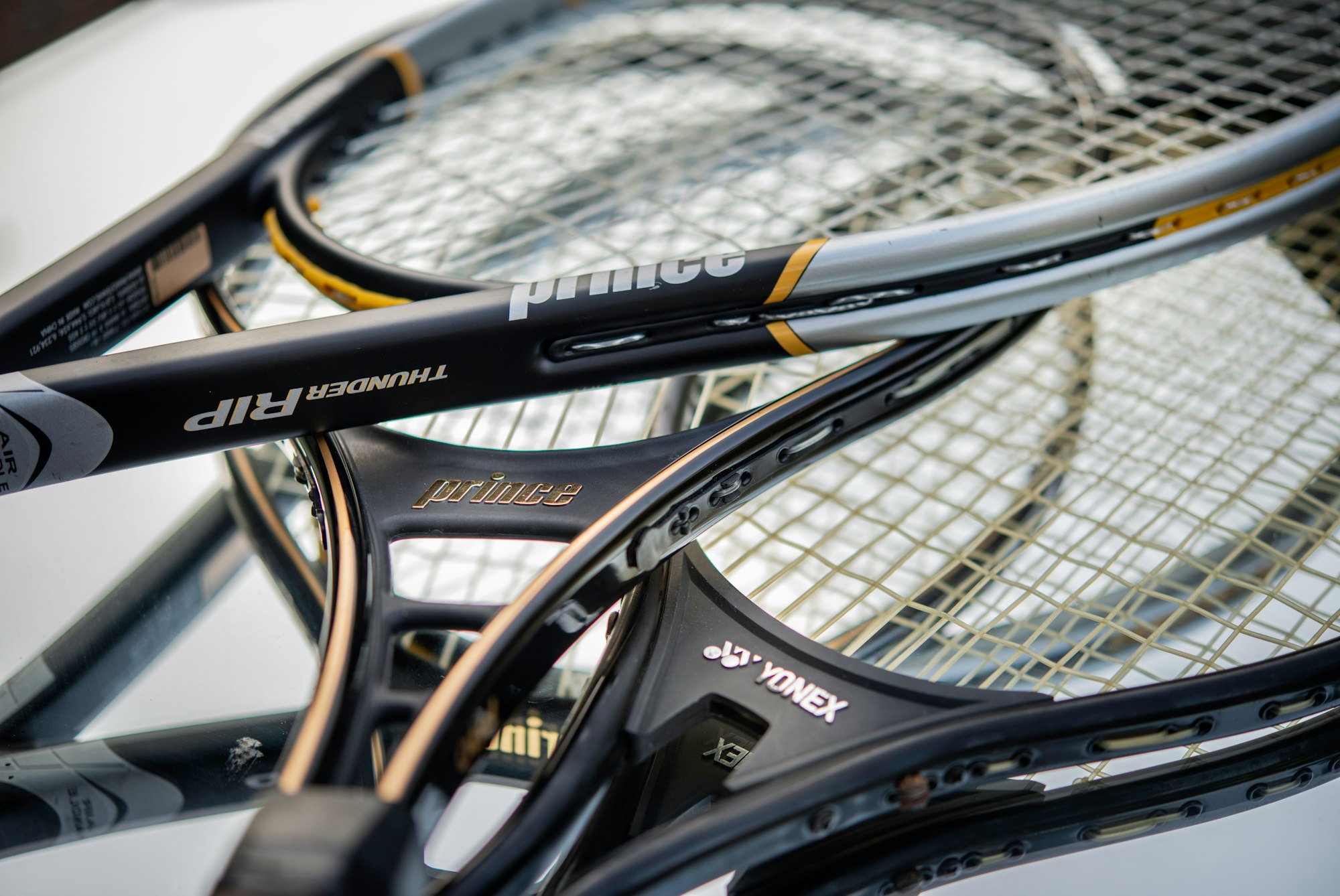
Do left-handed tennis players need a special racket? No. Tennis rackets are symmetrical, so left-handers use the same models as right-handers.
The key is choosing the right weight, head size, balance, and grip size for your playing style. Top brands for lefties include Wilson, Babolat, Head, and Yonex.
The good news: any racket on the wall is technically a left-handed racket. The bad news: that means brands don't filter the choice for you. Below — what to look at, which brands lefties keep coming back to, and how to compare without spending a Saturday at it.
Related: The best left-handed tennis players of all time
Spec basics
Four numbers matter. Get them right and the rest is taste.
Weight. Lighter swings faster and saves your shoulder. Heavier hits harder and absorbs more shock on contact.
Balance. Head-heavy rackets reward big swings; head-light ones reward quick hands at the net.
Head size. Bigger head, bigger sweet spot — forgiving on off-center hits. Smaller head, tighter feedback — better once you can find the middle reliably.
Grip size. Match it to your hand. Too small strains your forearm; too large slips when you sweat.
Brands lefties land on
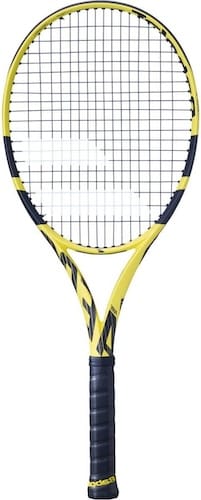
Wilson's Pro Staff and Burn series sit on a lot of left-handed shelves — durable, classic feel. Babolat's Pure Drive and Pure Aero are the go-to for lefties who play heavy spin (Nadal alone is most of the marketing budget).
Head's Speed series splits the difference — control and pop in the same frame.
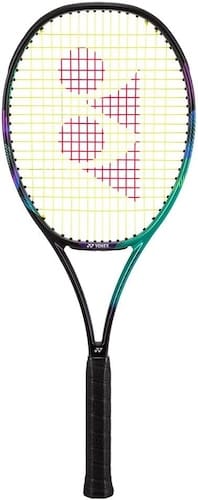
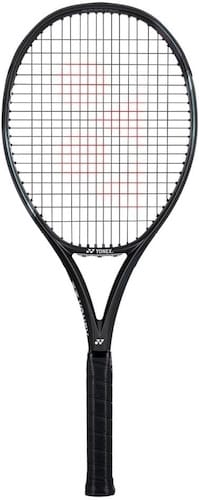
Yonex's EZONE series is the comfort pick — easy on the elbow, fast through the air.
One more spec: string pattern
Open patterns (16x19 is typical) bite the ball harder for spin and power. Tighter patterns (18x20) flatten out the response and reward placement. Worth thinking about — most players overlook it and then wonder why a "highly rated" racket feels off.
Comparing prices and reviews
Cheapest isn't a strategy; "most expensive" isn't either. Pull up the same model on Amazon and Tennis Warehouse, then read the one-star reviews before the five-star ones — recurring complaints (string-bed pinging, grip wearing in two months) tell you more than the praise. Filter for left-handed reviewers when you can; they'll flag asymmetric details a righty wouldn't notice.
Making the call
Specs narrow the field. Hands close it. Hit with two or three options before you buy if a local shop will let you — the wrong racket announces itself in about 15 minutes. Match the frame to the game you actually play, not the one you wish you played: heavier for groundstrokes from the baseline, lighter if you live at the net.